
Whitney Houston playing around and accidentally out sang one the greatest opera singers ever!
Still miss her.
Tag: music
Why was ”God Save The Queen” played as George H.W. Bush’s casket arrived in Maryland?
Why was ”God Save The Queen” played as George H.W. Bush’s casket arrived in Maryland? #Bush41
If you watched President George H.W. Bush’s casket arrive in Maryland on Monday and are British, you might have been confused as to why “God Save The Queen” was being played. If you are American like me, you would think nothing of it. You would recognise it as the song “My Country, ‘Tis of Thee” that you sang in many school events growing up.
Former President George Bush Snr’s casket arrives in…

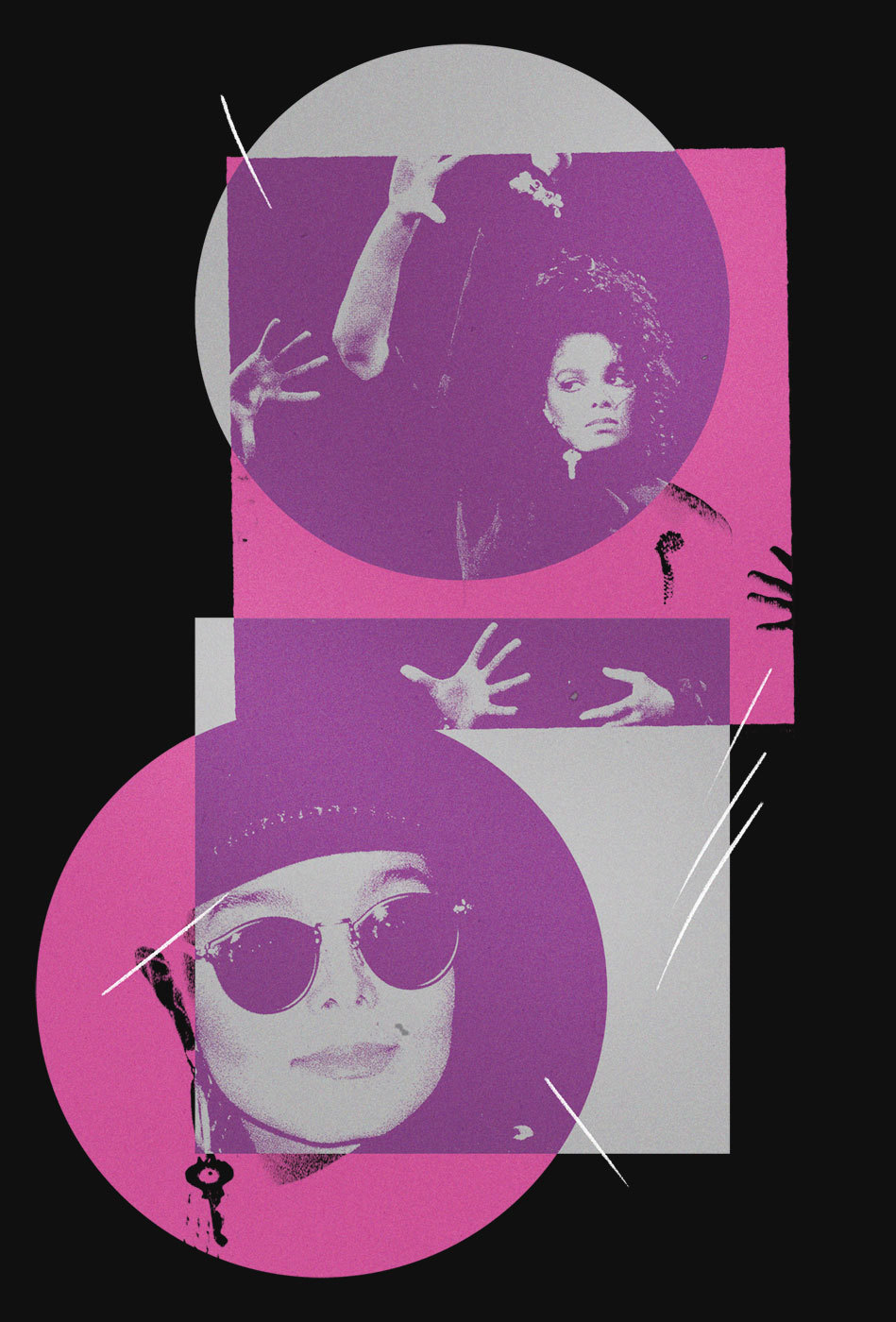
For her 1989 album “Rhythm Nation 1814,” Janet Jackson drew on an already established idea: the dance-based utopia. Lyrically, she was exploring the idea that the right rhythm can intoxicate and control us, and, eventually, unite us as living, breathing, flesh-and-bone humans. The album’s accompanying 30 minute longform music video did just that, with a chair routine that would be imitated for years after.
Read the full story for a deep dive into “Rhythm Nation 1814,” here.
Queen guitarist Brian May, speaking with Terry Gross in 2010
TERRY GROSS: Have you heard the Muppets version of “Bohemian Rhapsody”?
BRIAN MAY: Yes, of course, of course!
GROSS: It’s really fun. Can I play that for our listeners?
MAY: Yeah, you can. Well, we’d had to have heard it because it’s us on the record. You know, they asked us if they could do it. And they said, “Look; we can sing this, and we can perform it. But we can’t really play it. So can we use your actual track?” So…
GROSS: Oh, I see. I see.
MAY: Generally we don’t let anybody do that. But in this case, because it’s the venerable Muppets, we said, yes, we’ll do that with you.
(Source: https://www.youtube.com/)
Your Library Has a Free Music Service That You Probably Didn’t Know About
Did you know that you can download free music from your local library? Music that you can keep. That’s right: not borrow, keep.
Your Library Has a Free Music Service That You Probably Didn’t Know About
The Cultural and Political Forces Behind Kendrick Lamar’s Pulitzer
When Kendrick Lamar won the Pulitzer Prize for music, on Monday, he also became the first non-jazz or classical artist to collect that honor in its seventy-five-year existence. (“There’s a Pulitzer for music?” was, unfortunately, the early refrain on social media.) That Lamar was born and raised in Compton, California, and writes deft and nimble rap songs about systemic injustice, made the announcement especially thrilling. It felt like a decisive dismantling of fusty ideas about high and low art and, especially, who gets to claim genius as his own. As my colleague Doreen St. Félix wrote, “The Pulitzers got it right.”
The Pulitzer board, like most award-granting institutions, still needs to be mindful of the cultural and political forces that inevitably inform its choices—of the seventy-one Pulitzer Prizes presented in Music, somehow only seven (!) have gone to women. (The first woman to garner one, Ellen Zwilich, received it in 1983—a staggering forty years after William Schuman collected the début Pulitzer in music.) Genius, of course, still has its invisible boundaries. But Lamar’s win nonetheless feels like a victory of sorts for everyone, a promise that true excellence is—as it should be—very difficult to ignore.
Read more.
The Cultural and Political Forces Behind Kendrick Lamar’s Pulitzer
 House of Brat